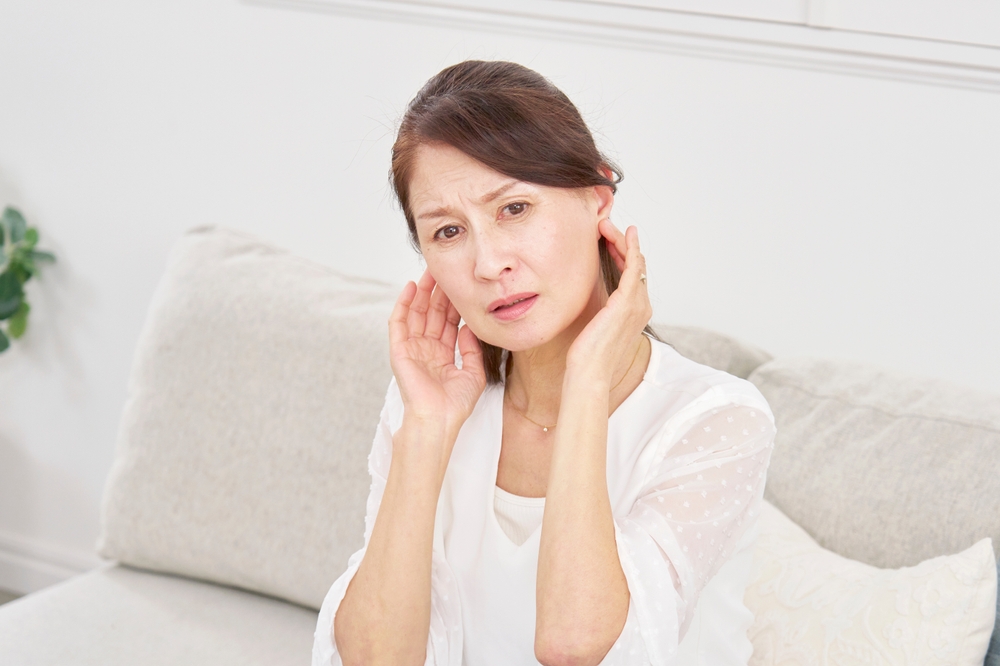
Waking up one morning and realizing you can’t clearly hear is a frightening experience for anyone. Sudden hearing loss feels abrupt and disorienting, especially when it occurs without prior pain or warning. Although simple blockages are common, more critical auditory conditions demand a rapid medical assessment.
Learning why hearing fails rapidly and seeking urgent help is imperative for long-term health. This overview explores the science of rapid hearing changes, likely triggers, and the requirement of expert clinical care.
Defining the Parameters of Sudden Hearing Loss
Sudden hearing loss typically refers to a rapid decline in hearing occurring nearly immediately or over a three-day period. While most patients experience this in one ear, it can sometimes manifest in both at once. Individual experiences vary from clouded hearing and tinnitus to a distinct sense of congestion or vocal distortion.
The Urgency of Sudden Sensorineural Hearing Loss (SSHL)
Among all triggers, Sudden Sensorineural Hearing Loss demands the most immediate medical assessment.
The condition is rooted in physical damage affecting the cochlea, hearing nerve, or neural pathways. It often develops without a distinct trigger, but possible contributors include:
- Vascular limitations affecting auditory nerve function
- Heightened inflammation inside the auditory pathways
- The presence of viral pathogens
- Disruptions in nerve pathways
Clinical professionals classify SSHL as an emergency because rapid intervention drastically enhances the chance of a full recovery.
Viruses and Inner Ear Health
Particular viral strains can result in permanent or temporary hearing shifts by irritating delicate inner ear tissues.
The following viral conditions are frequently associated with sudden onset hearing issues:
- Routine upper-airway viral activity
- Systemic flu-related inflammation
- Herpes viruses
- Viral sequelae observed in some COVID-19 cases
Hearing changes may appear concurrent with or following an illness and can be accompanied by dizziness or ear fullness.
Traumatic Triggers for Hearing Change
Accidental events such as concussions, barotrauma, or high-decibel exposure can compromise the ear’s fragile anatomy.
Trauma-related causes include:
- Traumatic brain injuries or concussions
- Acoustic or atmospheric barotrauma
- Sudden blasts of loud noise
- Physical displacement of inner ear fluids
Auditory symptoms that follow even a slight head or ear injury require a professional clinical review.
Conductive Blockages: The Role of Earwax
While not a medical emergency like nerve damage, impacted wax is a frequent cause of sudden auditory dullness.
Blockage-induced hearing impairment often:
- Manifest with surprising speed
- Create a clear sensation of aural congestion
- Primarily impact one ear
- Subside once the canal is properly cleared
Critically, a self-diagnosis at home cannot accurately distinguish between a simple blockage and a nerve-related crisis. Consequently, an expert audiology assessment is essential.
Additional Factors in Rapid Auditory Decline
Secondary factors to sudden hearing loss may include:
- Medication side effects
- Vascular irregularities in the auditory pathway
- Abnormal immune responses targeting the auditory system
- Small growths on the hearing nerve
A detailed assessment by an audiologist provides the clarity needed to rule out these rare conditions.
Why Acting Fast Matters for Sudden Hearing Changes
It is critical to understand that delaying evaluation for sudden hearing loss is a major risk.
A fast response from a specialist can help:
- Determine if the hearing loss is medically reversible
- Maximize the potential impact of medical therapies
- Stop further hearing damage
- Limit the social and personal toll of long-term hearing impairment
Hearing assessment plays a pivotal role in determining the type and severity of hearing loss and guiding next steps.
Identifying Red Flags for Urgent Hearing Care
Immediate clinical attention is required if any of the following symptoms manifest:
- A rapid drop in auditory clarity in one or both sides
- A loss of hearing accompanied by dizziness or lack of coordination
- Buzzing or pressure that appears suddenly
- Auditory decline following a viral infection or physical trauma
Even if symptoms improve, you still require a formal assessment to identify the root cause.
Rapid Diagnostics for Auditory Clarity
A professional test provides an immediate answer as to whether the impairment is:
- Conductive in nature, often caused by physical obstructions
- Nerve-based or related to inner ear dysfunction
- Likely to be short-term or a permanent impairment
Timely testing supports faster treatment decisions and better outcomes.
Final Thoughts on Addressing Abrupt Hearing Loss
Abrupt hearing loss is bound to feel alarming, but the sooner you seek care, the more options you may have to address it.
If you notice an unexpected change in your hearing, getting a professional evaluation can protect your hearing health and your peace of mind. Our dedicated staff is ready to assist you: Please contact our clinic immediately for an emergency assessment.
