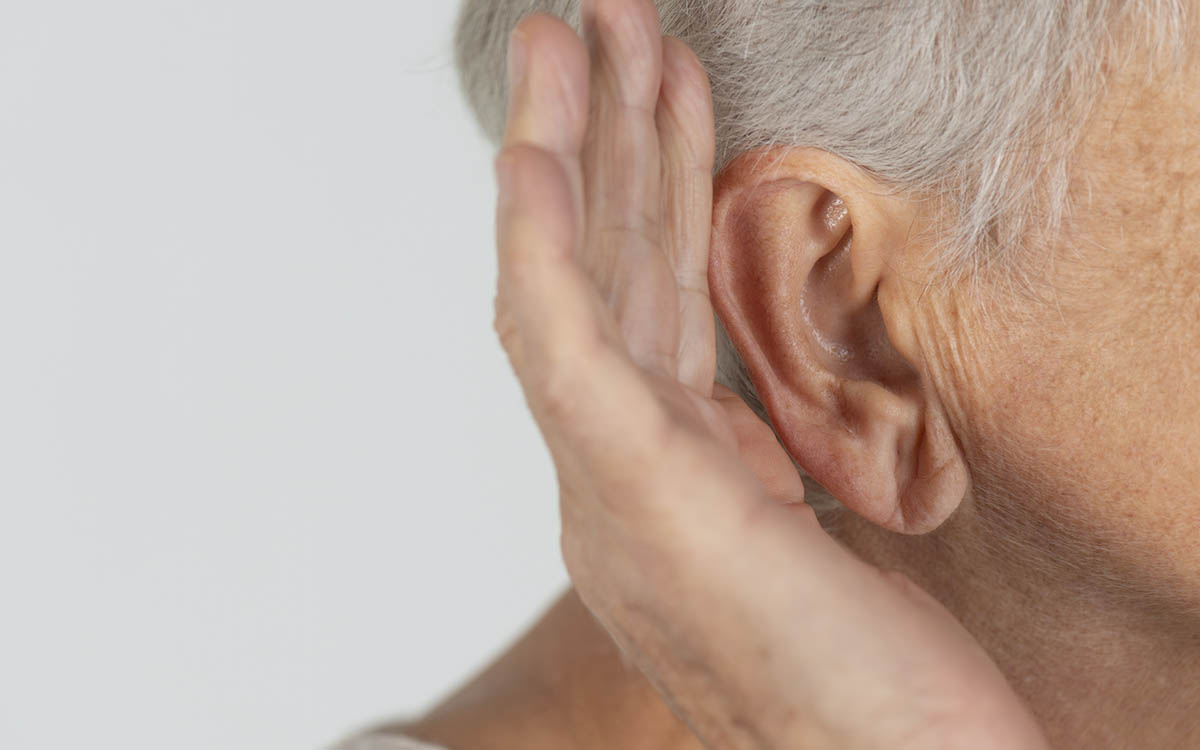
Most people associate hearing loss to senescence, however, for millions in the U.S., auditory trauma initiates much earlier in life. As one of the most prevalent and avoidable types of auditory impairment, noise-induced hearing loss typically progresses slowly, but it often occurs gradually and goes unnoticed until the effects are permanent.
Grasping the longitudinal impact of sound exposure on the auditory system allows for preventative measures prior to the onset of clinical hearing loss.
What Is Acoustic-Related Hearing Loss: A Pathophysiological Analysis
Noise-induced hearing loss occurs when loud sounds damage the delicate structures inside the inner ear. According to the Centers for Disease Control and Prevention, sustained or frequent exposure to sounds exceeding 85 decibels, such as heavy traffic, can initiate auditory damage. Louder sounds, like those from concerts, power tools, or firearms, can cause damage in minutes or even seconds.
The internal auditory system houses delicate sensory units termed hair cells. The function of these cells is to transduce mechanical vibrations into neural impulses for cerebral processing. Because hair cells cannot repair or replace themselves once damaged, hearing loss resulting from noise is generally a permanent physiological state.
The Cumulative Development of Auditory Trauma
The insidious nature of noise-induced hearing loss is highlighted by its gradual developmental timeline. Initial clinical indicators of sound-induced trauma may involve:
- Short-term episodes of Tinnitus or buzzing within the ears
- Post-exposure auditory dullness or perceived muffling of sound
- Difficulty understanding speech in noisy environments
While these preliminary indicators may dissipate, this should not be mistaken for complete physiological recovery. Despite the lack of symptoms, persistent noise exposure causes cumulative injury to the ear, leading to a progressive decline in hearing resolution.
The hearing loss Association of America estimates that 48 million individuals in the US suffer from hearing loss, often without recognizing the contributing factors.
Routine Sounds Linked to Clinical Ear Trauma
The prevalence of loud sounds in daily life often results in a dangerous desensitization to harmful noise levels. Consequently, the frequency of hazardous noise exposure is often underestimated.
Typical noise-generating sources consist of:
- Professional music performances and concert environments
- Personal audio devices utilized at excessive decibel levels
- Industrial tools, lawn maintenance equipment, and motorcycles
- Workplace noise in construction, manufacturing, or warehouses
Due to the routine nature of these sounds, auditory injury may accrue in the absence of overt symptoms.
The Reason Preventive Efforts Remain a Critical Priority
Unlike other health conditions, noise-induced hearing loss cannot be reversed. However, it is highly preventable. The implementation of basic protective protocols can substantially mitigate risk, such as:
- The application of earplugs or attenuation earmuffs in loud areas
- Reducing personal audio volume and adhering to the 60/60 safety guideline
- Incorporating auditory rest periods to allow for physiological recovery
- Ensuring consistent Audiology check-ups for those in high-noise environments
Professional Benchmarks for Requesting Professional Care
Should you experience persistent Tinnitus or a decline in conversational understanding, a professional evaluation is indicated. Timely professional assessment facilitates the creation of a management plan to maintain long-term auditory health.
Proactive ear protection in the present is essential for maintaining future auditory function. Noise may be unavoidable, but hearing loss doesn’t have to be!. We invite you to schedule an appointment with our team to optimize your hearing function.
