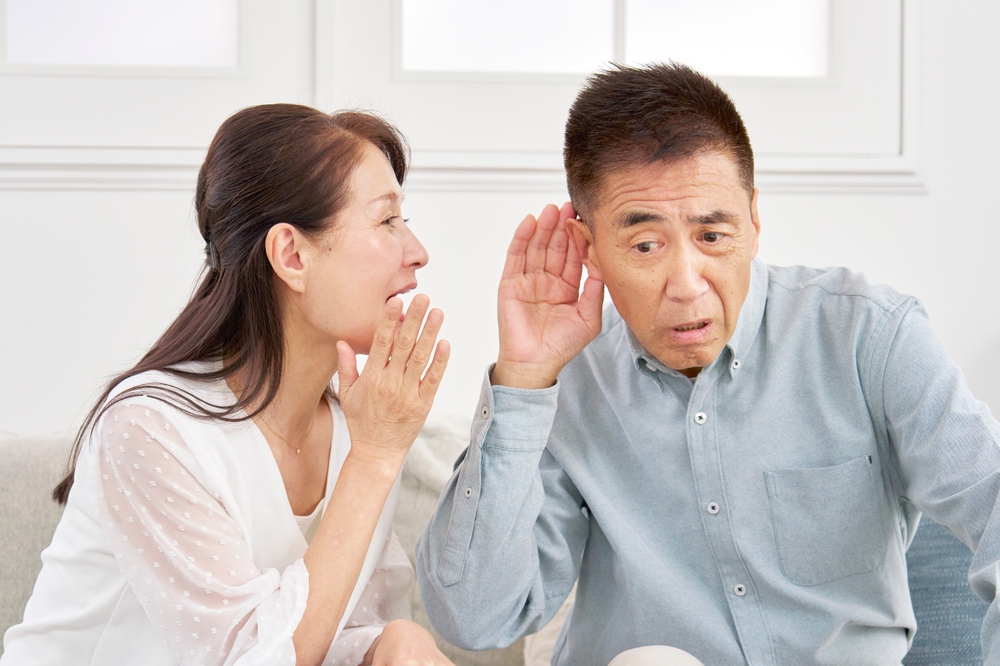
Hearing loss is more common than most of us might realize, but misinformation continues to prevent many people from seeking proper care. Proactive management of hearing loss ensures the best possible outcomes for auditory preservation. Believing common hearing loss myths can delay diagnosis, impact communication, and reduce your overall quality of life.
Identifying the facts behind auditory health allows you to navigate clinical options with technical certainty. Let us explore seven widespread myths about hearing and the medical facts that provide clarity.
Myth One: Auditory Decline is Strictly Age-Related
While age-related hearing changes are common, hearing loss can occur at any age. Noise exposure, genetics, infections, certain medications, and underlying medical conditions can all contribute to hearing problems in younger adults and even children.
The “aging myth” frequently prevents young and middle-aged adults from pursuing an essential hearing test.
The “I Can Still Hear” Fallacy
An individual can suffer from hearing loss without experiencing a complete loss of sound. In fact, many people with mild or moderate hearing loss can still hear sounds, but they struggle to understand speech clearly. Between perfect hearing and total hearing loss is a wide spectrum of hearing challenges.
You might notice difficulty following conversations in noisy environments, frequently asking others to repeat themselves, or feeling mentally exhausted after social interactions. Such symptoms are early clinical indicators that the auditory processing system is under stress.
Myth Three: The Misconception of Minor Impact
Untreated hearing loss can affect more than just communication. Data shows that failing to treat hearing issues can lead to brain atrophy and emotional health challenges.
Proactive hearing care is a vital component of maintaining cognitive health and emotional stability.
Myth Four: The Deterioration Fallacy
The fear that hearing aids weaken the natural ear is a persistent but medically unfounded myth.
Hearing aids do not damage your ears. Instead, they amplify sounds based on your hearing test results. Consistent use of hearing aids maintains the neural pathways required for clear sound interpretation.
Myth Five: The Aesthetic Stigma Fallacy
Recent innovations in hearing science have prioritized both power and miniaturization. Modern hardware has reached a peak of efficiency, offering discrete aesthetics with high-fidelity sound. Numerous models—such as Invisible-in-the-Canal (IIC) devices—remain completely hidden during daily use.
Modern tech includes advanced directional microphones and wireless streaming directly to the patient’s ears.
Myth: Small Hearing Changes Don’t Warrant Clinical Action
A “mild” diagnosis still carries the risk of social isolation and increased mental effort. Addressing loss early eliminates listening fatigue and protects against chronic mental exhaustion.
Early clinical action ensures that the brain’s auditory processing centers remain sharp and functional.
7. Myth: Over-the-Counter Solutions Are Always Enough
While OTC options offer simple volume boosts, they cannot address the unique nuances of your ear health. A professional hearing evaluation ensures that treatment is tailored to your individual needs.
Custom-fit solutions provide a level of acoustic fidelity that generic devices simply cannot match.
Moving Beyond the Myths to Auditory Health
Auditory shifts can be daunting, leading many to avoid the clinic through a “denial” response. But believing common myths about hearing loss can make symptoms more challenging over time. You’ll find that a hearing screening is a comfortable and highly enlightening clinical experience.
If you’ve noticed changes in your hearing (even subtle ones), a professional assessment is an important first step. Prompt action protects your ability to engage with the world and maintains your mental well-being.
If you want to learn more about your hearing health or schedule a hearing evaluation, our team is here to help! Call us today for a consultation.
