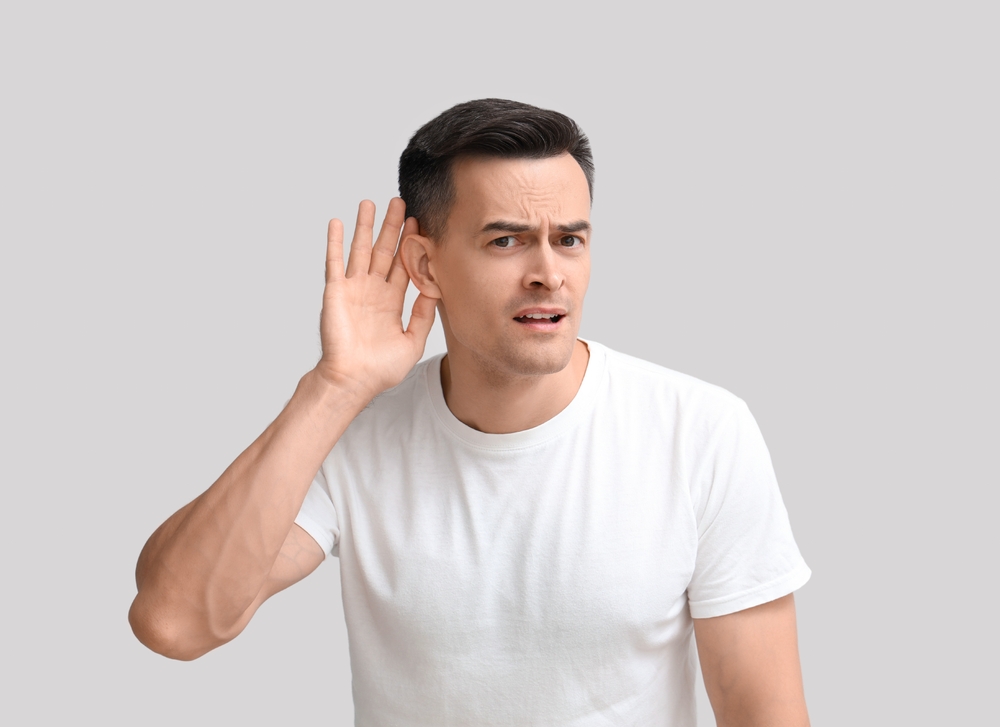
Have you noticed a distinct sense of exhaustion after participating in lengthy verbal interactions?
It is easy to misattribute this fatigue to general stress, lack of sleep, or sensory overload. While social gatherings are inherently demanding for people with sensory sensitivities, there may be another factor at play. Frequently, this specific type of burnout is actually triggered by chronic auditory fatigue.
Auditory fatigue occurs when the central nervous system must expend excessive energy to decode acoustic signals. When sound clarity is compromised, the brain allocates vast cognitive resources to deciphering muffled or distorted phonemes. Accumulated listening strain eventually manifests as the profound exhaustion associated with auditory fatigue.
It is common for patients to conflate auditory fatigue with general daily exhaustion. This type of burnout often points toward a functional decline in the auditory system. Undergoing a clinical screening can identify the extent to which hearing loss drives your daily fatigue. Should these symptoms persist, it is vital to discuss the possibility of hearing loss with a healthcare professional.
Identifying the Core Drivers of Listening Exhaustion
Multiple variables contribute to heightened cognitive demand during sound processing, elevating the risk of auditory fatigue.
The Impact of Unmanaged Hearing Loss
Failing to address hearing loss is a major factor in the development of persistent auditory fatigue.
When acoustic signals are incomplete, the brain engages in heavy “top-down” processing to reconstruct speech. This constant guesswork increases listening effort, which can quickly lead to mental exhaustion during conversations.
Noisy Environments
Busy environments can worsen auditory fatigue. Loud public spaces, corporate boardrooms, and large social gatherings typically feature high levels of competing ambient noise.
Processing concurrent audio streams requires the brain to perform intense “auditory scene analysis” to find the primary speaker. This process can create cognitive overload, especially for people with hearing loss (even mild cases).
Tinnitus and Sound Distortion
Chronic tinnitus compounds listening effort as the brain struggles to ignore internal noise while focusing on external speech.
Sound distortion caused by hearing loss can further increase strain, forcing the brain to work even harder to understand speech.
Clinical Red Flags for Auditory Fatigue
Auditory fatigue can affect both mental focus and overall energy levels. Common signs include:
- Experience of deep cognitive depletion following verbal interaction
- Reduced focus during professional or social group settings
- Development of “listening headaches” after long social events
- A sense of agitation triggered by difficult listening conditions
- Self-isolation as a defense mechanism against listening effort
- Requiring immediate sensory deprivation or sleep after socializing
If these symptoms occur frequently, it may indicate that your ears and brain are working harder than they should.
The Neurology of Effortful Listening
Under optimal conditions, the auditory cortex decodes language with minimal neural expenditure. However, when hearing loss is present, the brain must allocate more cognitive resources to decode sounds.
Researchers describe this as increased cognitive load. The brain is forced to sacrifice higher-level thinking to manage the low-level task of hearing sound. Over time, this extra effort can leave you feeling mentally depleted. Even short conversations may require more concentration than they should.
Using Clinical Evaluations to Uncover Auditory Strain
When fatigue becomes a daily burden, a professional evaluation provides the necessary data for a solution. During a comprehensive hearing test, an audiologist will measure how well you hear different tones and speech sounds. Specialized “speech-in-noise” testing is often used to uncover deficits that are invisible during standard quiet-room exams.
The data from your exam will determine if your fatigue is rooted in a physiological hearing deficit. By catching these changes in their infancy, you can implement solutions before they damage your social and professional life.
Restoring Energy Through Hearing Care
The right hearing treatment acts as a “pressure release valve” for the brain’s processing centers.
High-tech hearing aids do the “heavy lifting” for the brain by isolating and clarifying voices in real-time. This allows the brain to receive clearer signals without constantly trying to fill in missing sounds.
With restored hearing clarity, you will likely see a boost in:
- Sustained cognitive stamina during the workday
- Focus during conversations
- Feeling relaxed and confident in noisy environments
As the brain stops struggling to hear, the world of sound becomes a source of joy rather than a source of stress.
When Should You Schedule a Hearing Test?
Consider booking a hearing test if any of the following rings true:
- You experience burnout after standard verbal interaction
- Friends or family members mention that you often ask them to repeat what they’ve said
- Background noise makes speech recognition a major challenge
- You find yourself “hiding” in quiet rooms during parties or meetings
Resolving these issues today ensures a higher standard of living and better cognitive health for the future.
FAQs About Auditory Fatigue
Distinguishing Between Exhaustion and Impairment
No—fatigue is the “symptom” (burnout), whereas loss is often the “cause” (the impairment). While they are different, hearing loss is the direct driver of most fatigue cases.
Will Hearing Devices Fix My Burnout?
Absolutely; by cleaning up the acoustic signal, modern devices take the processing load off the brain.
Can Auditory Fatigue Be Cured?
With the right treatment, the exhaustion associated with auditory fatigue is often completely reversible.
Reclaiming Your Energy After Social Events
Daily dialogue should not be a source of profound cognitive depletion. If you are suffering from chronic post-social burnout, your auditory system is likely over-exerting itself.
Schedule your hearing test today by contacting us today. The path to social confidence and mental clarity begins with accurate hearing data.
