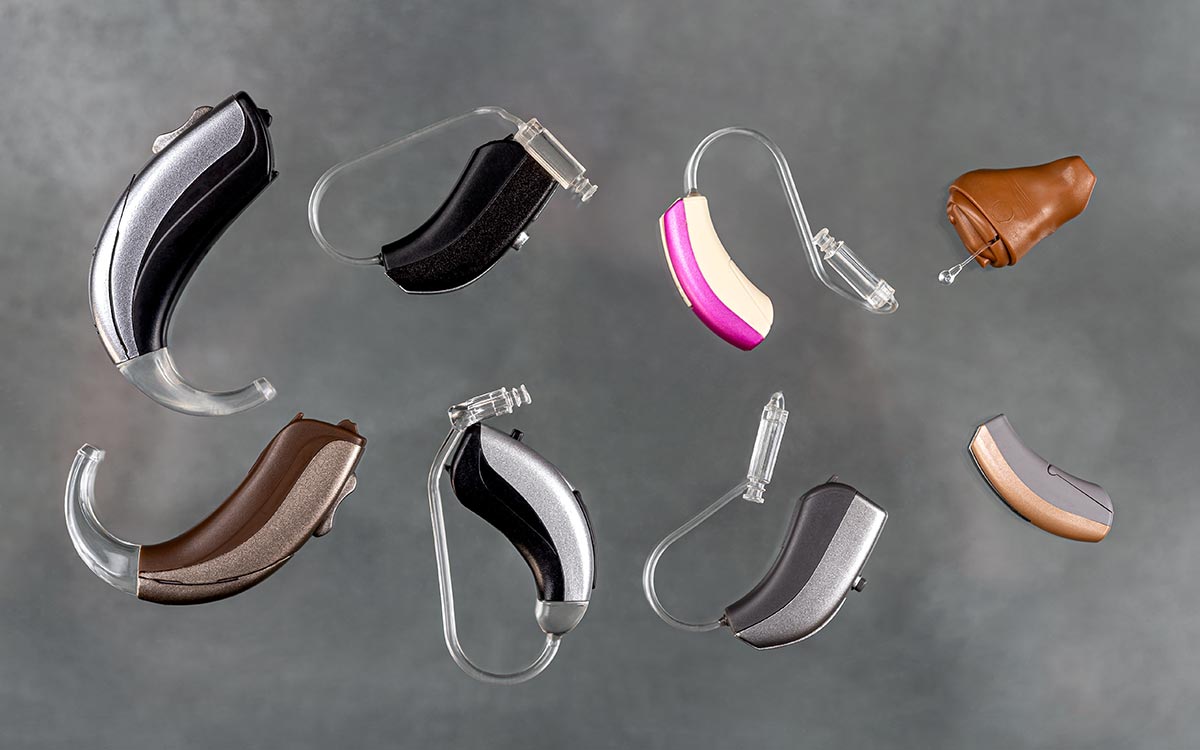
Choosing an instrument can feel daunting, especially when today’s devices come in so many styles, sizes, and technology levels. But no matter your needs, there’s a hearing solution for every lifestyle, preference, and degree of hearing loss. It’s all about discovering which model aligns perfectly with your specific requirements.
Understanding the differences among the most common types of hearing aids can help you feel more informed and confident as you explore your options. In this analysis, we glance at current styles and the unique characteristics that define them.
The ITC (In-the-Canal) Style Explained
The Definition:
These hearing aids are placed partially inside the canal, making them visible only slightly from the outside.
The Perks:
- Offers a smaller shape than bulkier behind-the-ear units
- Custom-molded for comfort
- Appropriate for mild to moderate hearing loss
First-time wearers frequently lean toward ITC aids because they strike a perfect compromise between size and performance.
IIC (Invisible-in-Canal) Technology
How they function:
These are the tiniest custom-made devices on the market today. These devices sit so deeply back in the ear that they are nearly impossible to see.
Why people pick them:
- Offers the most subtle design of any hearing aid style
- Provides authentic audio because of where the device sits
- Lightweight and comfortable
Because of their small size, IIC devices typically work best for mild to moderate hearing loss and for those who prefer a nearly invisible option.
Full and Half-Shell ITE Options
What they are:
ITE hearing aids occupy either the whole outer ear (full-shell) or the lower portion (half-shell). They are custom-made to match the shape of your ear.
Why users favor ITE:
- Larger size allows for more features and longer battery life
- Simpler to handle for those with dexterity challenges
- Capable of providing enough power for severe hearing needs while remaining in-the-ear
The all-in-one style of the ITE design makes it a favorite for those who dislike behind-the-ear equipment.
BTE (Behind-the-Ear) Basics
Technical Detail:
These devices rest on the external ridge of the ear’s anatomy. These models utilize a custom earmold or tubing to direct sound inside.
Why people choose them:
- Known for being exceptionally adaptable and robust
- Provides a wide selection of amplification suitable for nearly any user
- Big enough to house sophisticated software and modern rechargeable technology
For those who value a dependable device that is easy to manage and provides plenty of volume, BTE is a top choice.
The RIC Style Breakdown
Component Structure:
While they match BTE units, RIC aids place the speaker directly in the canal for better sound delivery.
Key Benefits:
- Minimizes the “plugged up” feeling for more pure hearing
- The ultra-thin design is both light and nearly effortless to wear
- RIC technology is highly flexible for various different audiogram profiles.
RIC devices are one of today’s most common styles, thanks to their blend of comfort, aesthetics, and performance.
Extended-Wear Device Details
What they represent:
These unique devices are designed to live in the ear canal for an extended period or more, managed by your hearing specialist.
The Appeal:
- Eliminates the requirement to place in or take out the device every day
- Offers an entirely discreet solution for hearing health
- Engineering enables them to stay in the ear during all facets of daily life
These models are the best choice for an effortless, seamless hearing experience.
Wireless Bluetooth Connectivity
Tech Details:
Connectivity-focused hearing aids that utilize radio to integrate with your digital life.
Digital Benefits:
- Stream calls, music, and audio straight to the hearing aids
- Gives you the ability to fine-tune your volume and programs via an electronic app
- Enhances daily life by making technology interaction seamless and clear
Bluetooth options are available across many styles, including RIC, BTE, and some ITC models.
Middle-Ear Implants
Procedure Info:
This technology involves a surgical procedure to place a device that mechanically stimulates the bones of the middle ear.
Why people choose them:
- Serves as an essential alternative for those who find no success with traditional amplification
- Ideal for users who suffer chronic irritation from standard molds
Candidates for middle-ear implants should complete a comprehensive evaluation by a hearing specialist.
Selecting Your Ideal Hearing Solution
There is no single “ideal” hearing aid; rather, there is an optimal one for you, determined by your medical needs and personal comfort. A hearing care professional can lead you through your choices, answer questions, and help you experience how different devices look and feel.
Take the initiative for your hearing health by booking a professional evaluation today. It’s an excellent first move toward better hearing and more confident communication every day.
Sources:
https://www.mayoclinic.org/diseases-conditions/hearing-loss/in-depth/hearing-aids/art-
20044116
https://www.hearinglife.com/hearing-aids/types
https://www.nidcd.nih.gov/health/hearing-aids
